




Pioneer Park
13 Reviews
Hello everyone! This is a friendly reminder that any of these fun places we may visit, we are a guest at. Please treat both businesses and trails with the utmost respect. We here at Hidden San Diego follow the 'Leave no Trace' mantra, meaning whatever you bring with you comes back with you. If you see trash on a trail, please do your part to help remove it. Remember, we are not picking up trash from another person but instead cleaning up for Mother Nature. Happy adventures!
1521 Washington Pl
San Diego, CA 92103
Phone: (619) 525-8213
32.749053, -117.177526
Dog-Friendly: Yes Kid-Friendly: Yes
About Pioneer Park
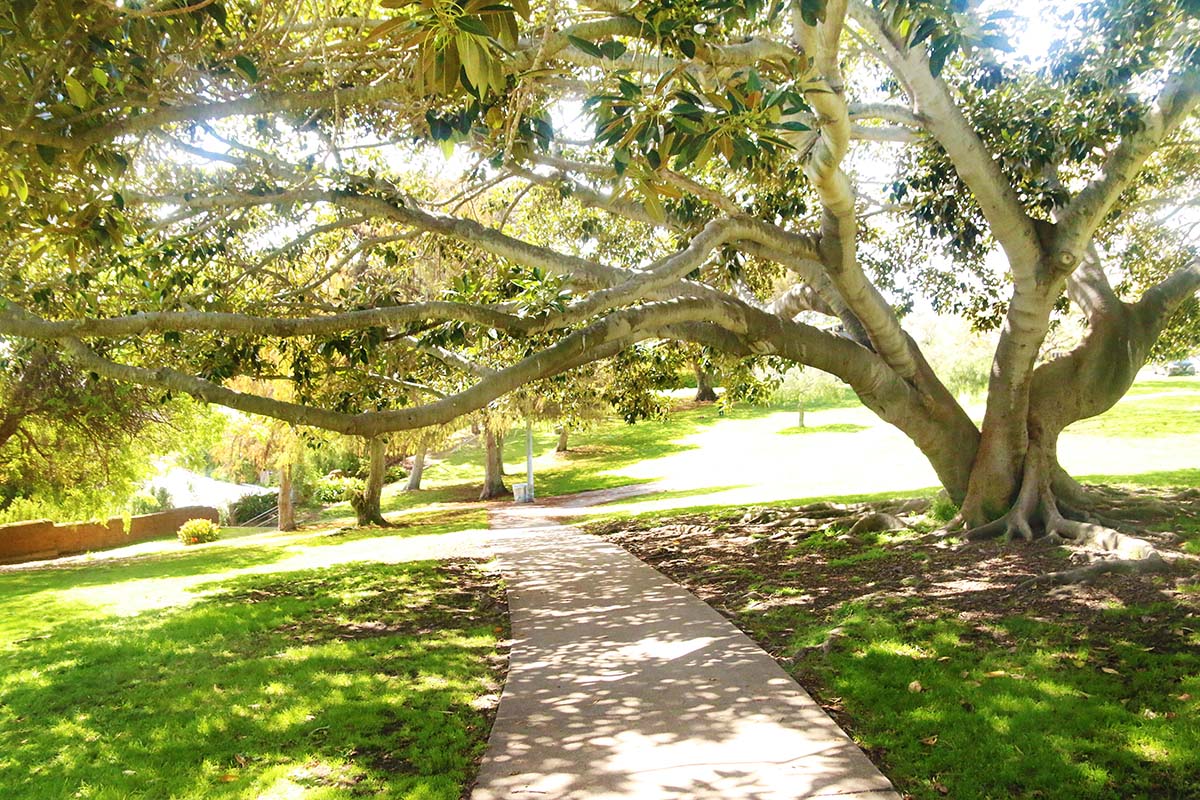
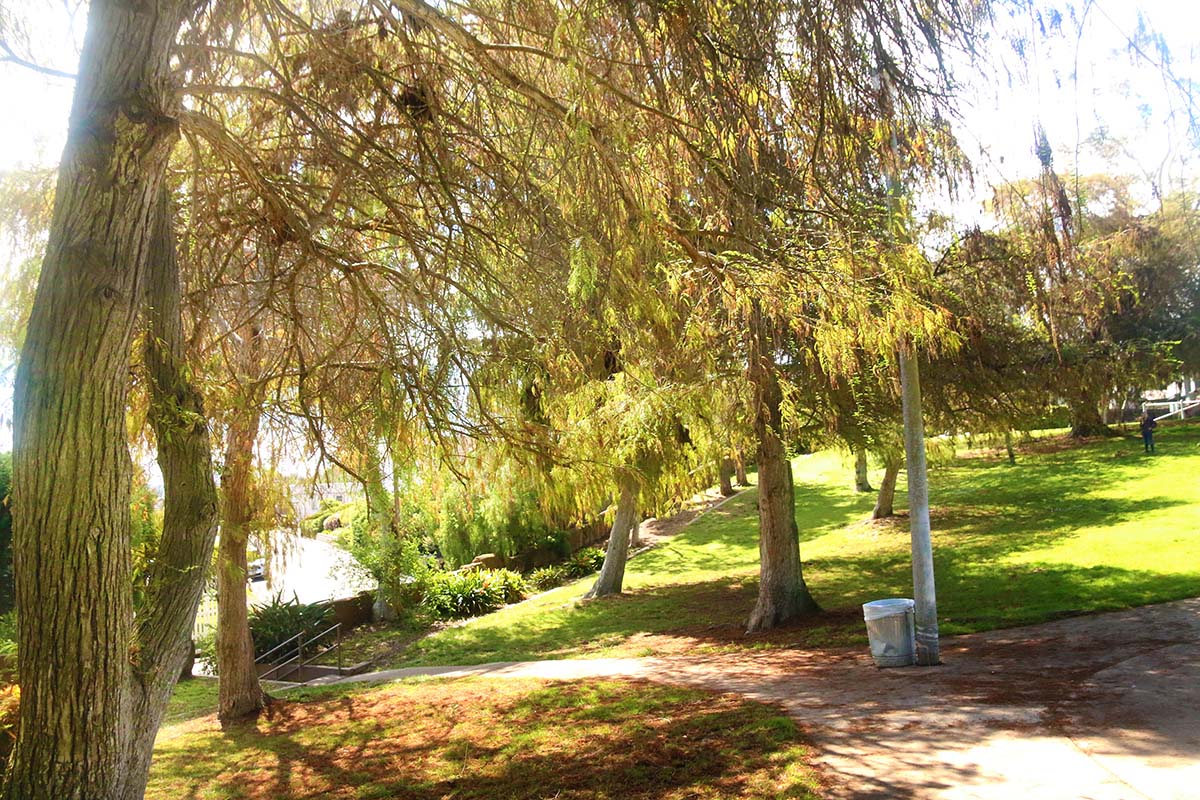
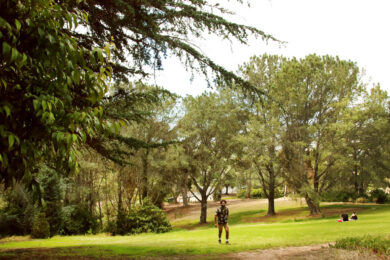
Over the years, Pioneer Park has become a popular spot for family picnics, summer concerts and various community events. It is not uncommon to see children from the school next door playing in the grass and families having outings. Take a stroll along the outskirts of the park though you will be in for an awful surprise.
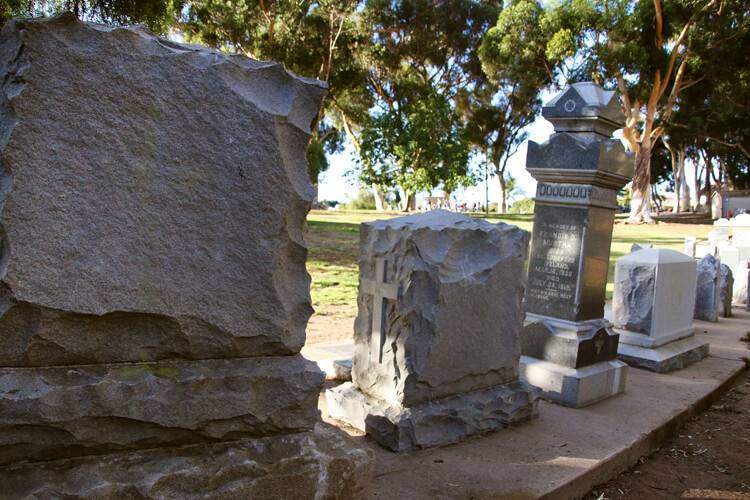
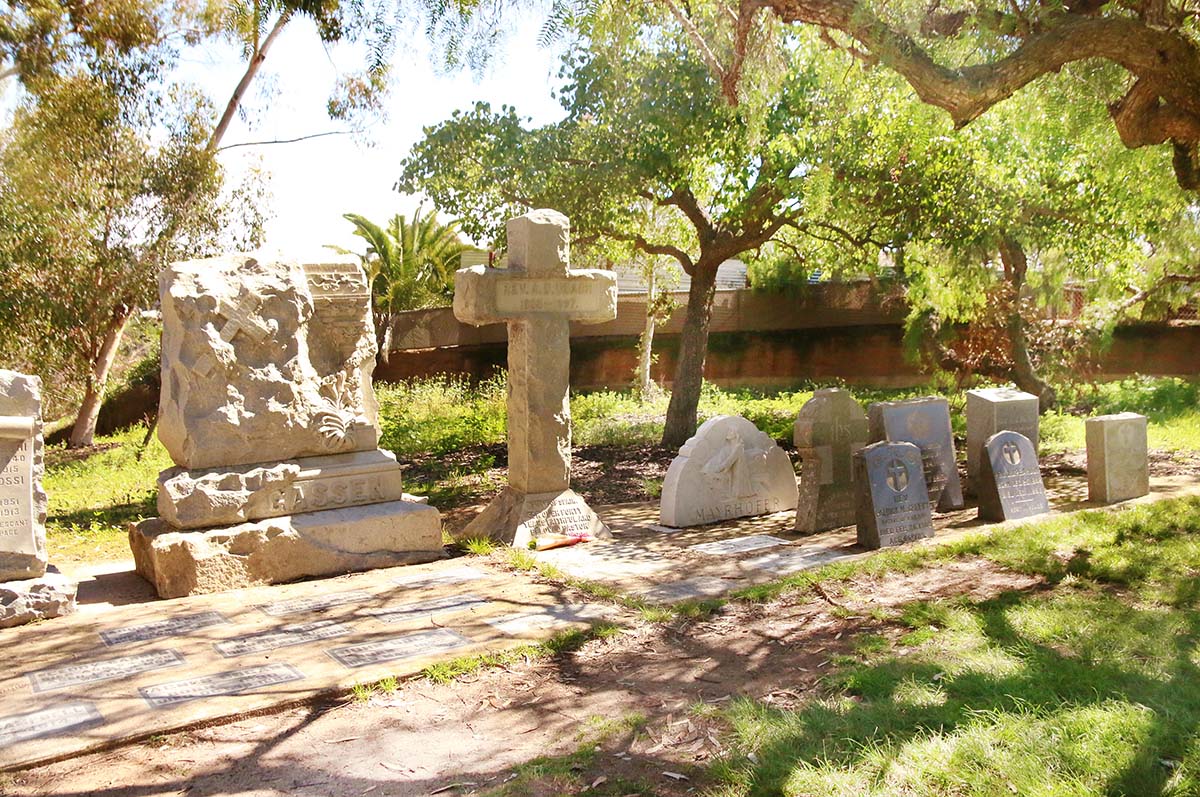
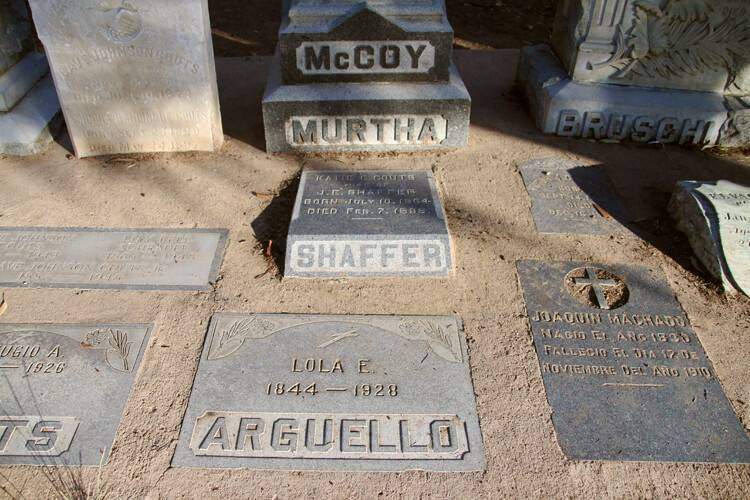
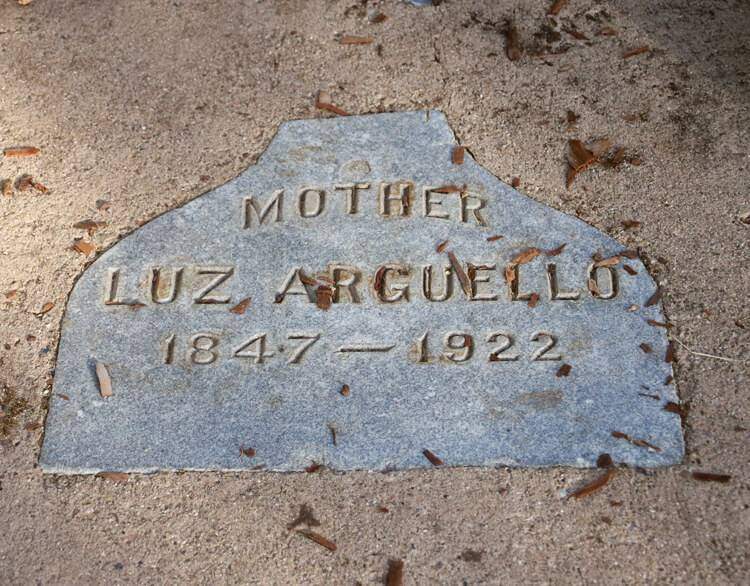
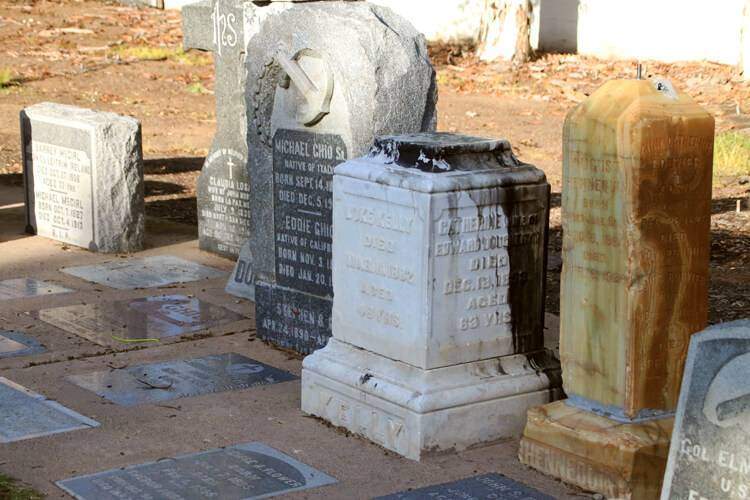
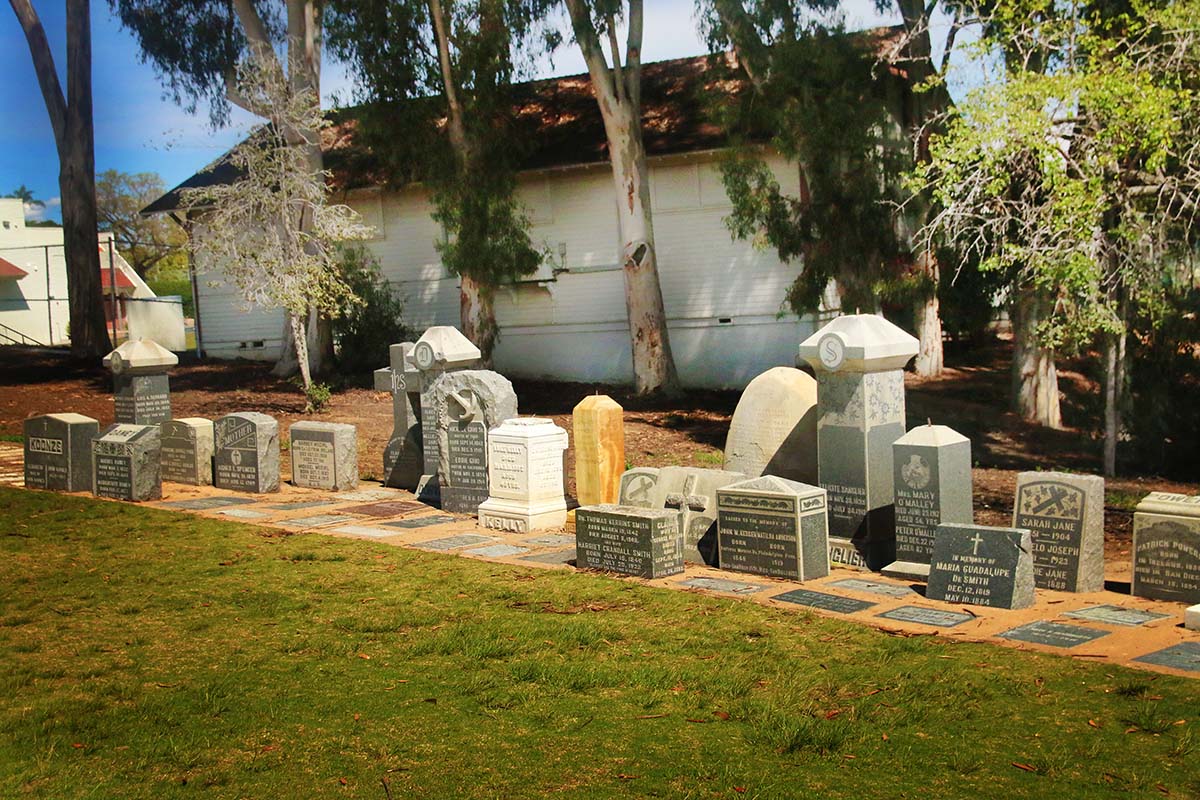
A once prominent pioneer cemetery has now been reduced to a lone row of headstones which are displayed as a memorial for those buried at this park—yes, the bodies are still buried here. You can even find a plaque with the names of the 1800+ bodies whom are interred within, although it is rumored that there may be up to 4,000 bodies buried here.
While you’re in the area, make sure to visit Harper’s Topiary Garden nearby!
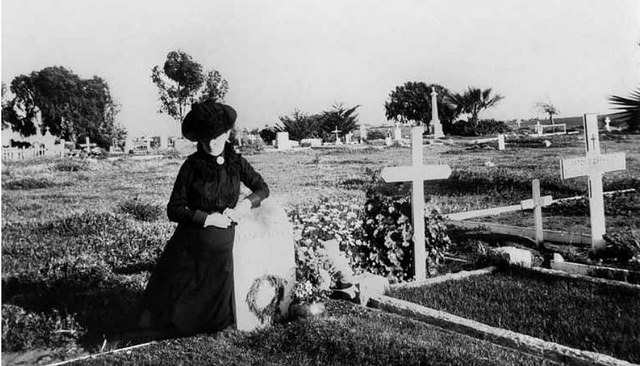
Pioneer Park, formerly known as Calvary Cemetery, served as a Catholic cemetery for almost a century, with the earliest grave dating back to the 1870’s.
Notable Families Buried Here
Important families such as the Bandini’s (who once owned the Cosmopolitan Hotel in Old Town) and Couts (who once owned the Rancho Guajoma Adobe) were buried here as well as Roman Catholic Father Antonio Ubach.
The Couts came to San Diego shortly after the Mexican-American War to help map the boundary between the United States and Mexico. He also laid out and named some of the streets in the area of San Diego that is today known as Old Town.
Couts died in 1874 and his wife was buried next to him 24 years later. Father Antonio Ubach had been the parish priest of San Diego for 4 decades of the 19th century.
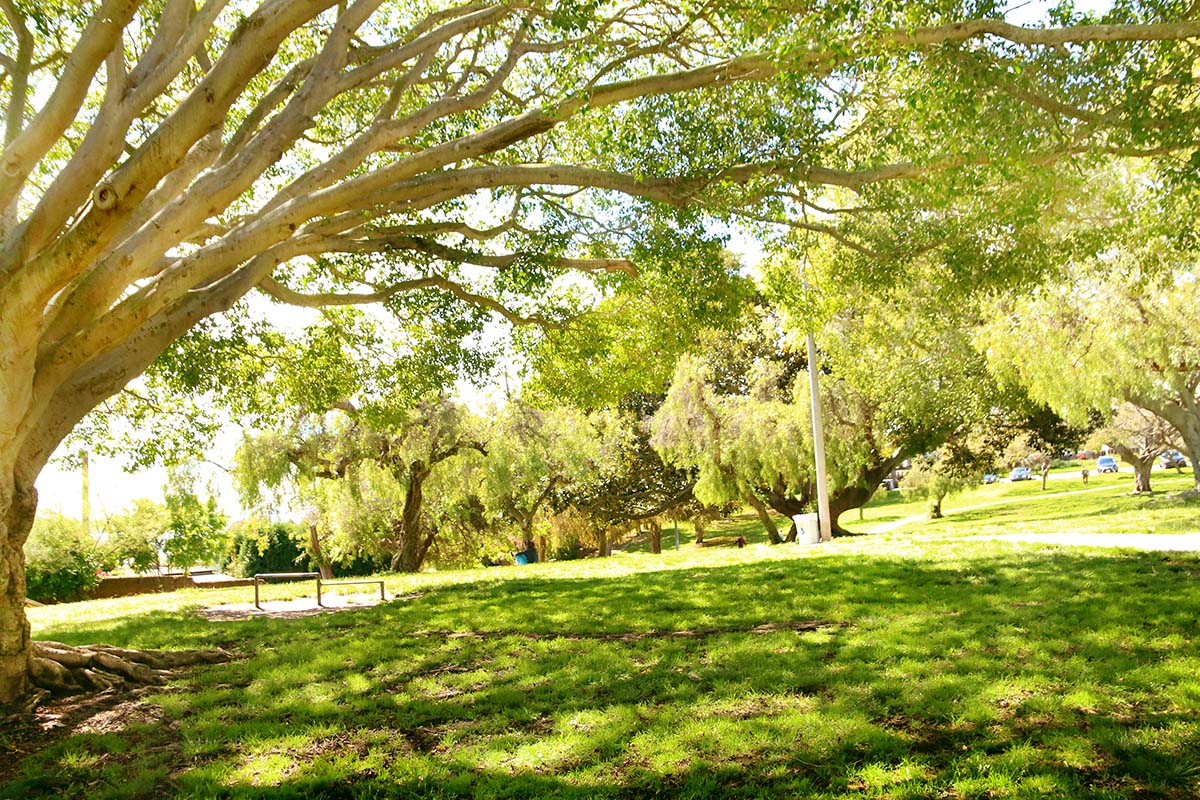
Turning Calvary Cemetery into a park
There are people who had rich and colorful lives buried here. People whose relatives still remember them and visit them. You would hope that our city would have a little more respect, but apparently not.
In fact, in the 70’s, after years of neglect, the headstones were dumped into a ditch and the cemetery was turned into the community park that we know of today. It wasn’t until the early 80’s that anything was done about this issue.
It wasn’t until the trolley was put in that someone observed a headstone in the ditch and all hell broke loose. To mitigate the issue the city hired an historian who determined which stones were of importance.
Those stones were then hauled back to the park and in the row that we see today.
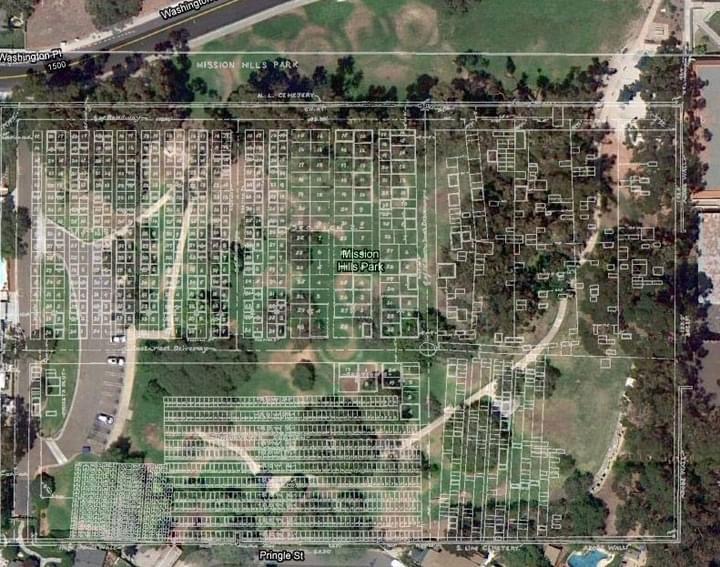
Cemetery layout from the 1940’s superimposed with an aerial view of the current Mission Hills Park by Joe St Lucas
One woman recounts how her and her brother used to play in the ravine, naïve to what they were climbing on. ‘So that’s what they were!’ the woman gasped, obviously horrified when she found out. She and her brother used to climb on the tombs as kids, thinking they were just piles of concrete-type blocks.
There is something so eerie about watching the children play in the grass knowing that thousands of bodies are laying right below them. If the spirit world exists, I can’t imagine this making any of them too happy.
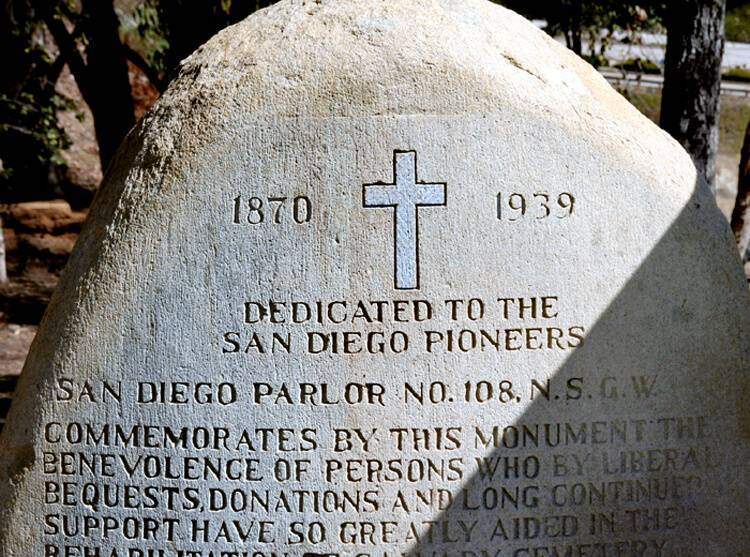
Haunted?
Pioneer Park is a hotspot for ghost hunters who claim that the energy is thick out here–and it is not a happy energy either! See for yourself. Bonus points if you go at night, but please don’t go alone. This area is said to not be the safest after dark.
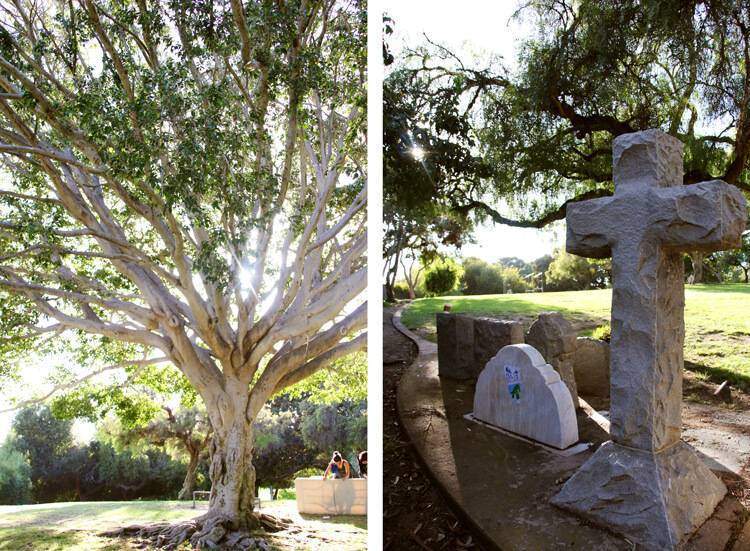
Old-school work-out bench: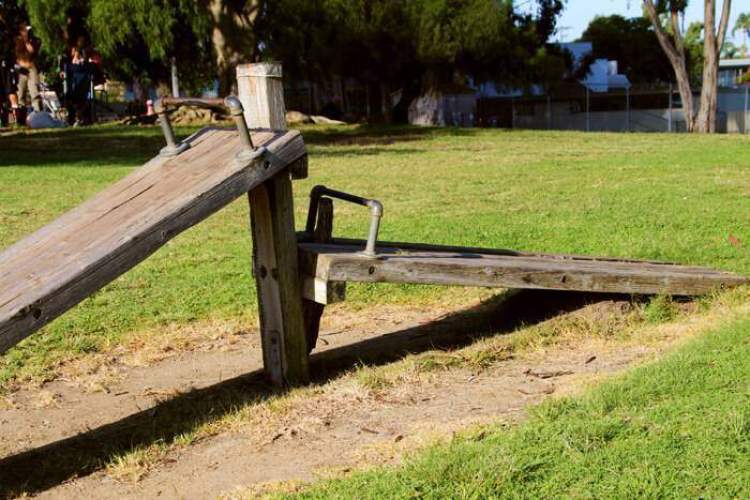
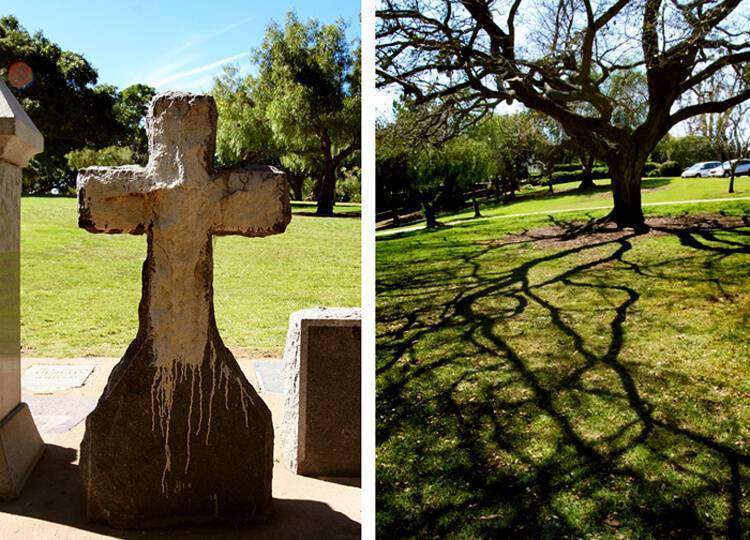
It reads “Dedicated to the memory of those interred within this park”: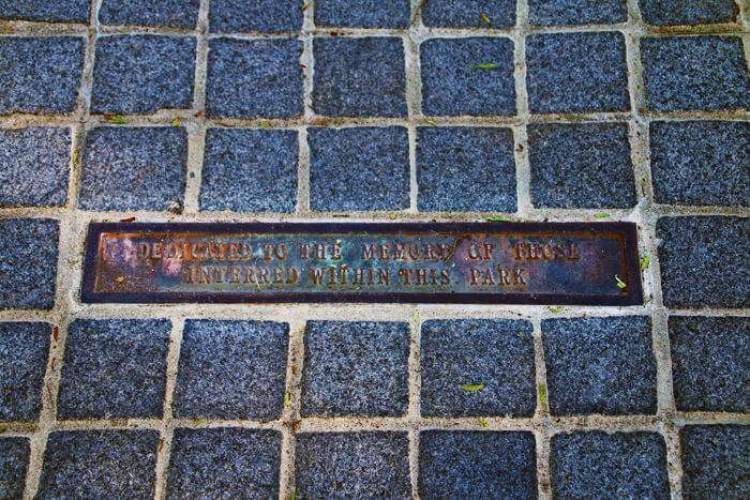
You can read a list of all the names of those still buried in the park: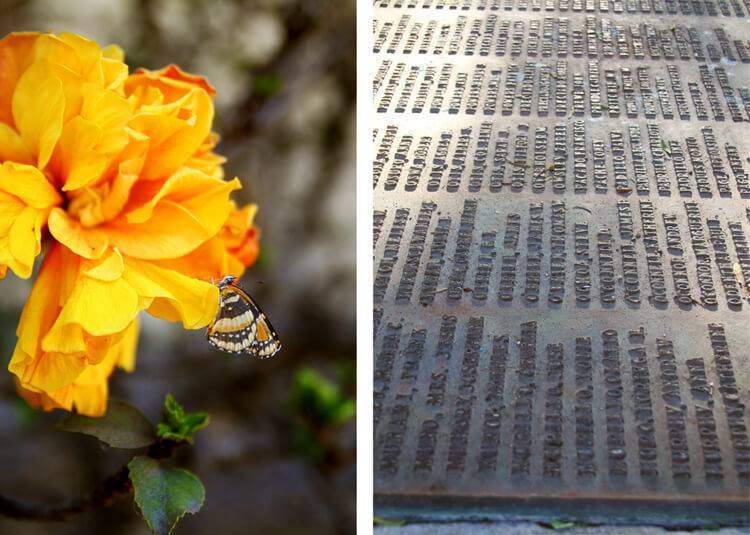
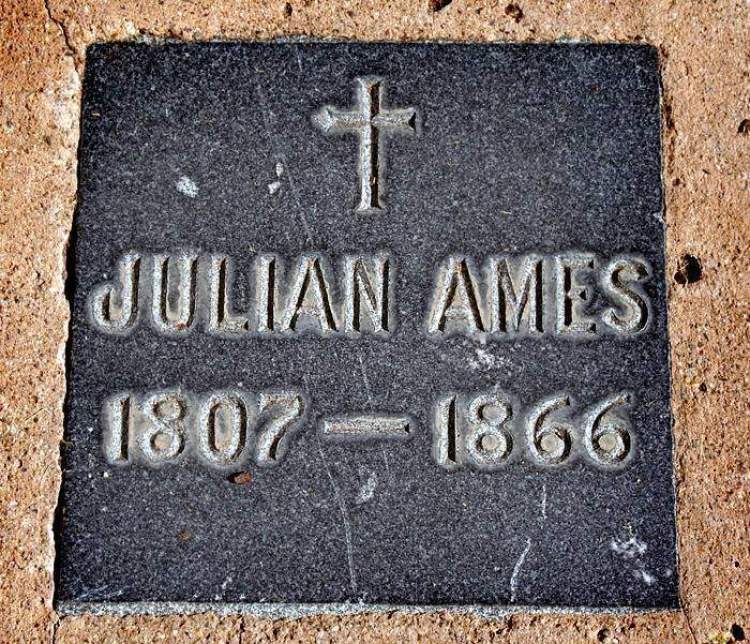

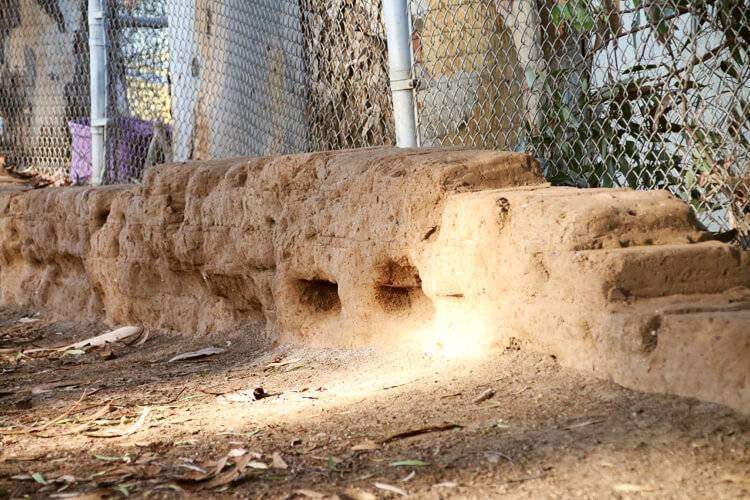
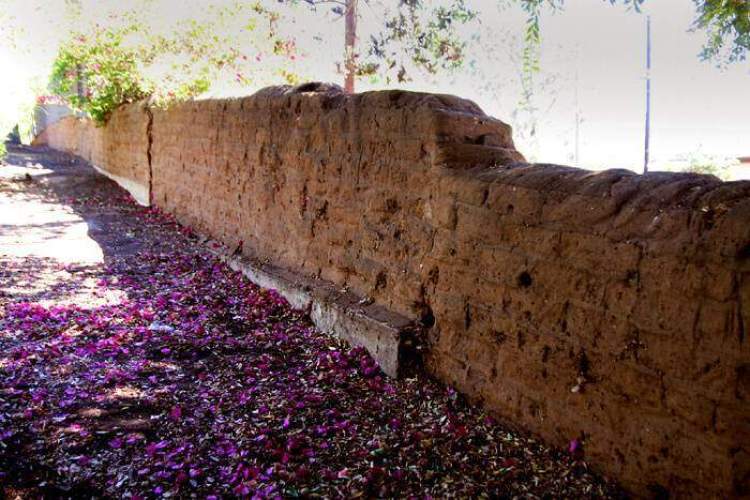
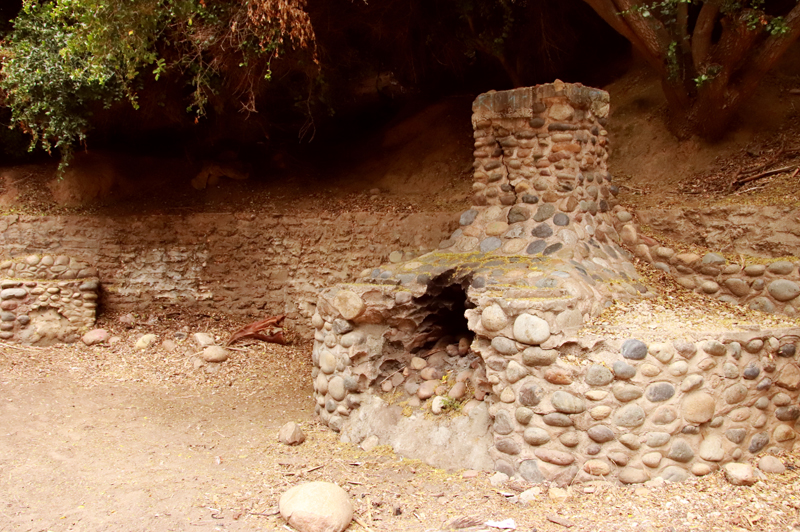
Pretty sure remnants of the original wall remain. Keep your eyes peeled!

Mike
Have you been on the short yet interesting Robyn’s Egg Trail? It is located behind the tennis courts and runs down the canyon to Titus.
March 27, 2014
Alain
Great little trail. Definitely not stroller friendly though, as I learned the hard way. Great short hike for little ones. My 3-year old really enjoyed “hiking”.
November 10, 2015
stephanie
My family is buried here
August 26, 2016
Droogles
One time I found money inside plastic eggs around those tombstones. Lucky me!
December 14, 2016
Michael Freitas
That’s crazy!
No cemetery should be thrown away
May 12, 2017
claire
how do i look up the history off this tunnel if there is any
May 21, 2017
David M. Habben
This is so sad and disrespectful. I can’t believe that someone didn’t protest when the markers were “thrown away.”
July 9, 2017
SoCal Urbex
I’m going down here to film this cemetery out respect for those who burried here.
The City of San Diego sucks !
September 1, 2017
Anonymous
I grew up near this park. I went to Grant School. Some of the graves still had wooden markers. The story was that in the 40s a motorcycle group rode their bikes over the graves and tore up a lot of the wooden markers. Some of the wooden marker were still readable when I was a kid, but they are now all gone. There was a small park next to the cemetary. One day every week my grandmother would bring lunch and meet me at that park.
October 21, 2017
Anonymous
Those adobe walls are original. The double row of Eucalyptus Trees bordered the road where the hearse carriages would use for funerals.
June 13, 2019
Thomas
My family members are there. When I was a teen (late 60’s) I would take my mother and aunt there to place flowers on graves of her family. When they started to make it a park, some people protested but with no support from anyone of political importance. I called Holy Cross once and was told that most of the markers were in storage there. I an in my 70’s now and still go with my children to visit my uncles and great uncles. I do not remember where my great uncles are but I have one uncle and an aunt around where the rest rooms are.
May 24, 2021
Kimberly McDevittKing
I remember hanging out there as a teenager back in 1982~84. Back then that’s where most of the teenagers hung out in Mission Hills.
July 18, 2024
Germán R. Gómez
My grand-uncle Alfonso Padilla de la Torre fought in the 1911 Battle of Tijuana and was buried in a Catholic cemetery in San Diego. Nearly 50 years later, his remains were exhumed and transported to Tijuana, where they now rest at the Monumento a los Defensores de Baja California (1911), in front of the old bullring.
The story immediately sparked my curiosity. How could someone be removed from consecrated ground, carried across an international border, and reinterred in a non-consecrated public space? Who requested it, who approved it, and were the next-of-kin consulted? By the time of the transfer, Padilla’s widow had disappeared, leaving only his nieces—my grandmother and her sisters—as the closest family. I find it hard to imagine they would have approved a resting place outside the church.
My research points to Josefina Rendón, a civic leader and advocate for the heroes of 1911, as the driving force behind the repatriation. Rendón organized ceremonies and monuments honoring the defenders, and Padilla’s transfer seems to have been part of that larger civic effort. Local histories confirm the reinterment, but the official paperwork—disinterment permits, cemetery release forms, or consular authorization—remains elusive.
I’ve scoured freely available sources and online archives, yet the newspapers and municipal records that might reveal the full story remain behind paywalls or on microfilm. Microfilm collections at the San Diego Public Library, San Diego History Center, UCSD, SDSU, and Tijuana municipal archives are likely to hold contemporaneous articles, permits, and council minutes that could answer the legal and administrative questions. Until those records are examined, much of the process remains a mystery.
Alfonso Padilla de la Torre’s journey reminds me that history is never just stone and dates—it’s also human curiosity, unanswered questions, and the detective work of piecing together the past. Even when memorialized in monuments, the full story can remain hidden, waiting for someone willing to search.
October 21, 2025